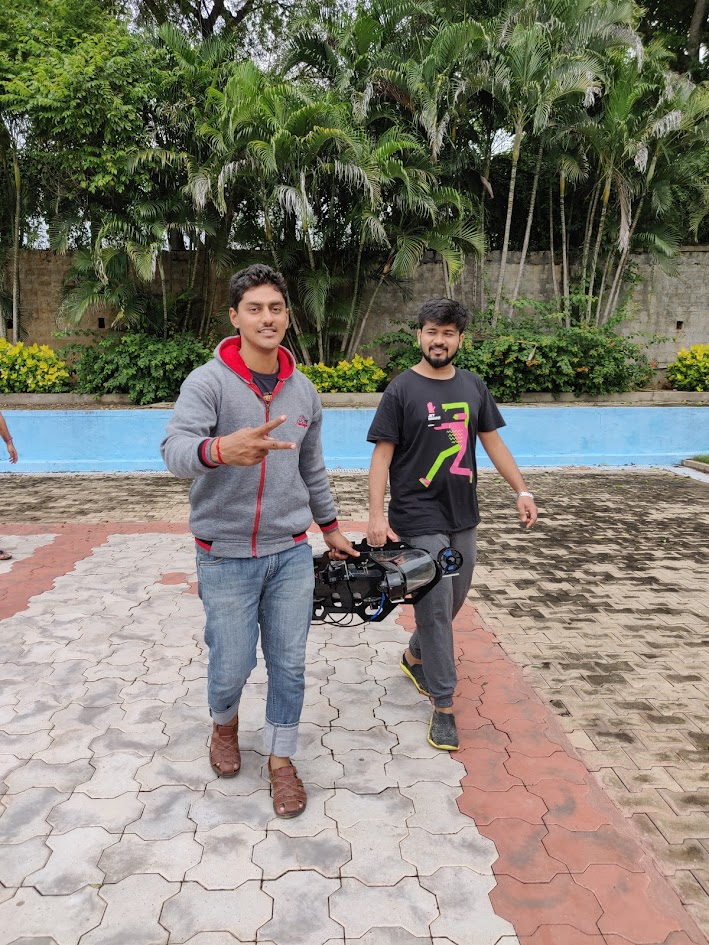
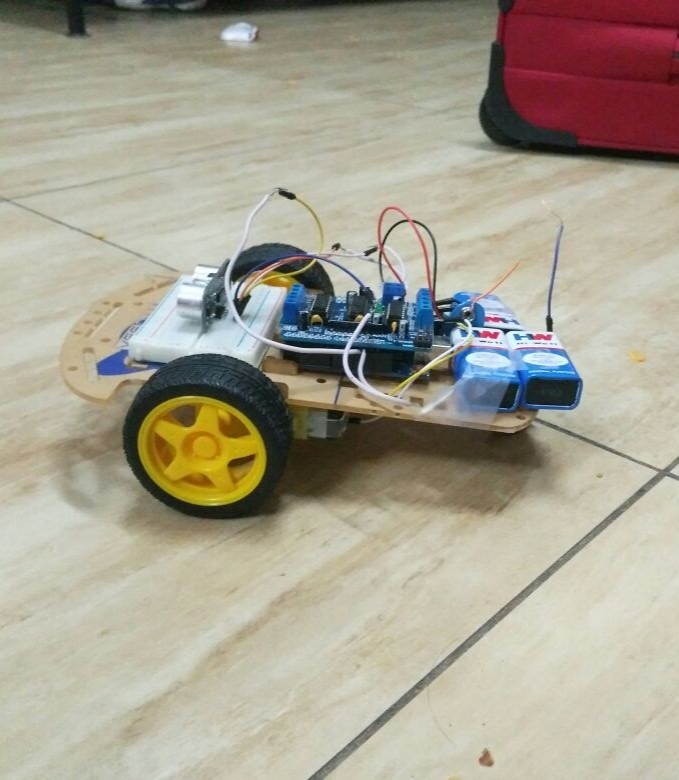
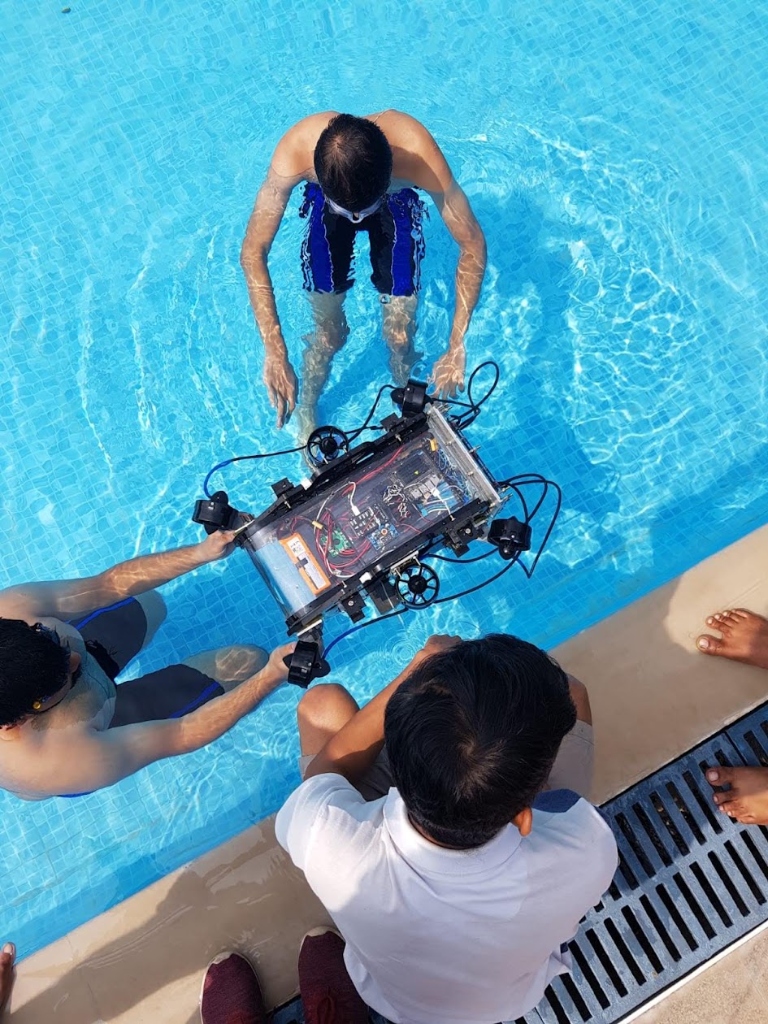
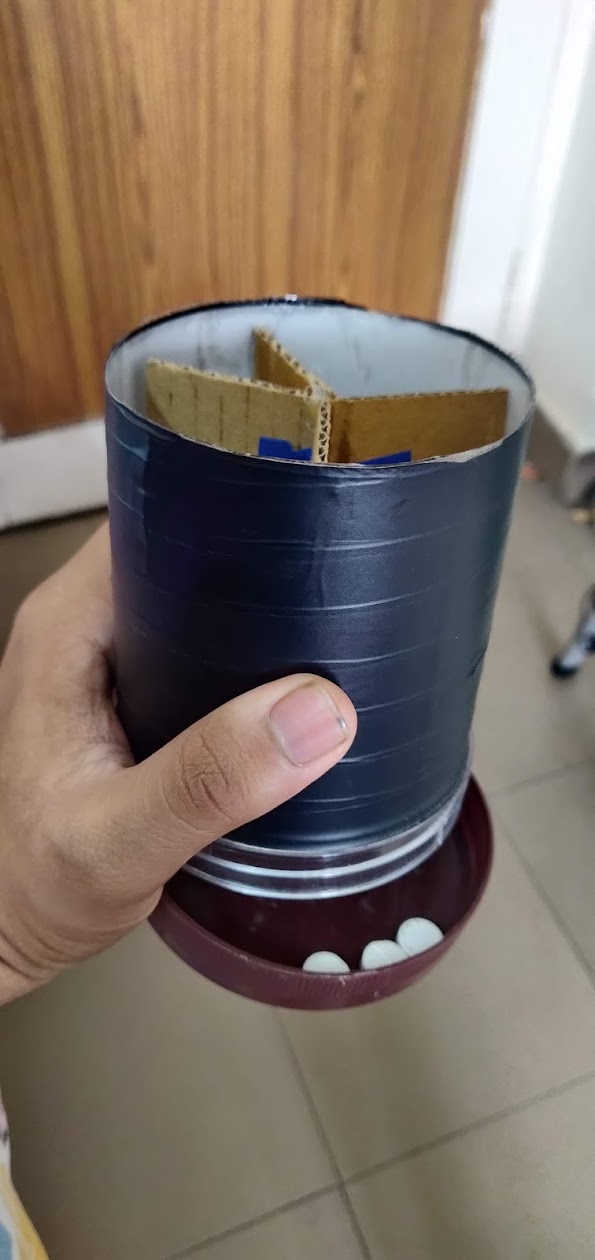
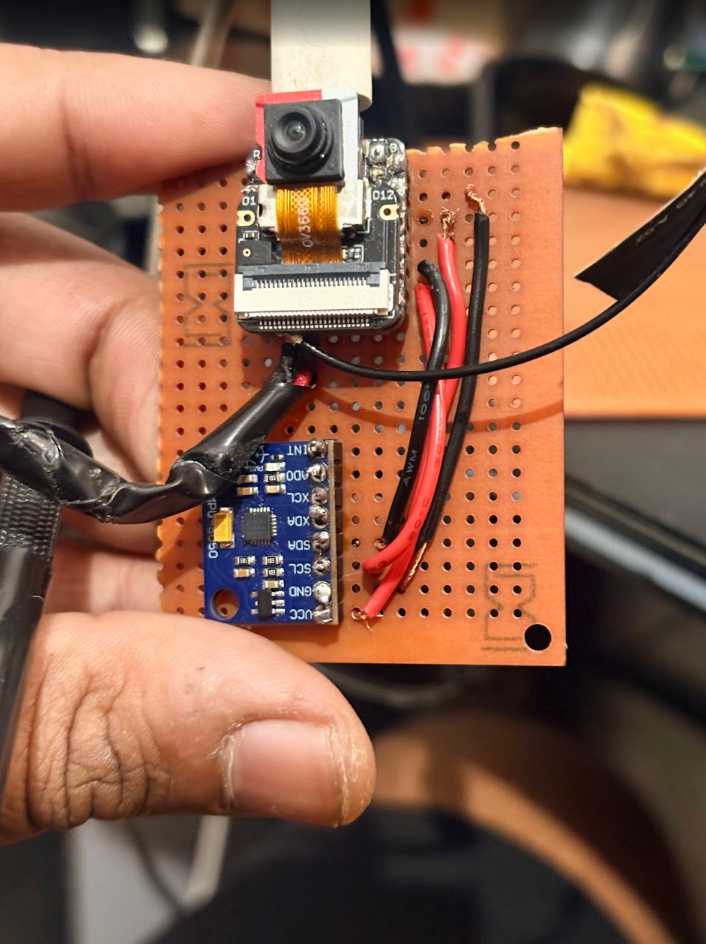
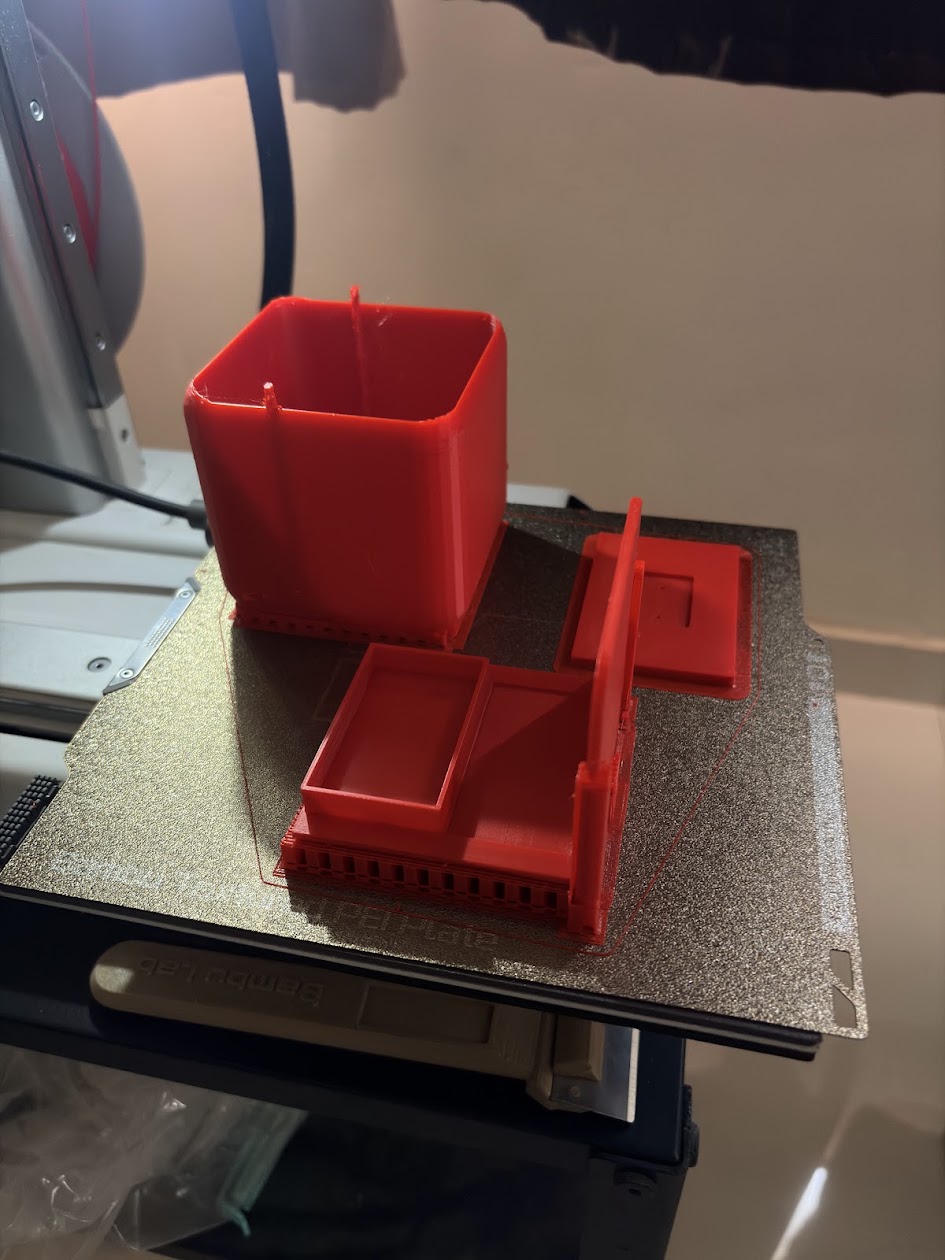
For my engineering thesis, I built an automatic pill dispenser for elderly people. I had worked out the electronics, the mechanism, the automation.
It worked. But I had missed someone.
?
02 / THE PERSON ON THE OTHER SIDE
The person using it.
That pill dispenser taught me that functionality alone doesn't make something good. It pulled me toward Interaction Design at IIT Hyderabad.
The question became: how does this feel, respond, and make sense to someone else?
Inputs. Mechanisms. Outputs. Getting the system to respond.
VIT → IIT HYDERABAD Engineering gave me the tools. Design changed the questions.
03 / RELIANCE JIO · QUICKHIRE
REAL PEOPLE. REAL OPERATIONS.
I joined to design it. I learned to own it.
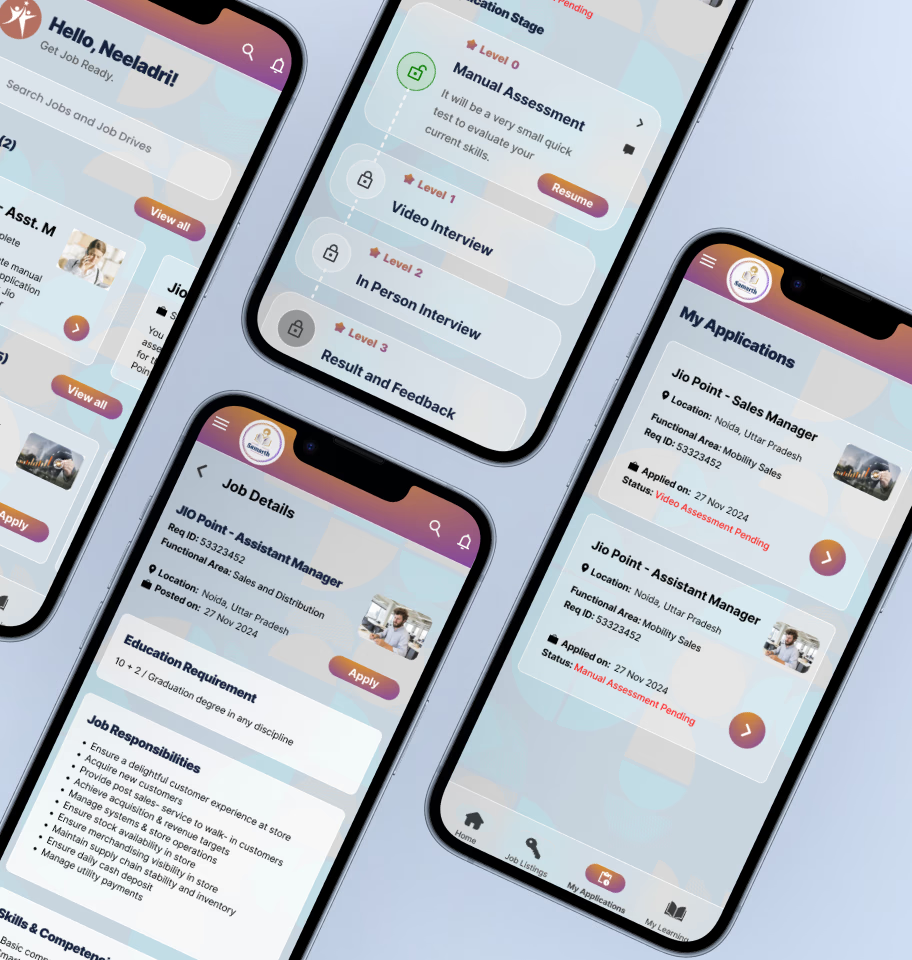
QuickHire brought that thinking into off-roll recruitment across 6,000+ Jio locations. I started with the candidate experience, simplifying an intake flow from roughly 140 inputs to 30.
After launch, I moved into day-to-day product management: requirements, engineering delivery, operational issues, and the decisions that keep a product useful.
These are observed improvements in the QuickHire workflow after launch and through subsequent releases; they reflect the wider product, engineering, and operations teams’ work. Monthly joining throughput compares Q1 with July–August, while average RTO → DOJ turnaround compares December with August.
“0→1 proves something can exist. 1→10 proves it can survive.”LESSONS FROM WORKING WITH REAL SYSTEMS
04 / INDEPENDENT EXPERIMENTS · 2026
Sometimes the interface is the question.
Two separate projects. One question that kept changing.
01 / SOFTWARE
A QUESTION, TAKING SHAPE.
SIFT / FINDING A STARTING POINT
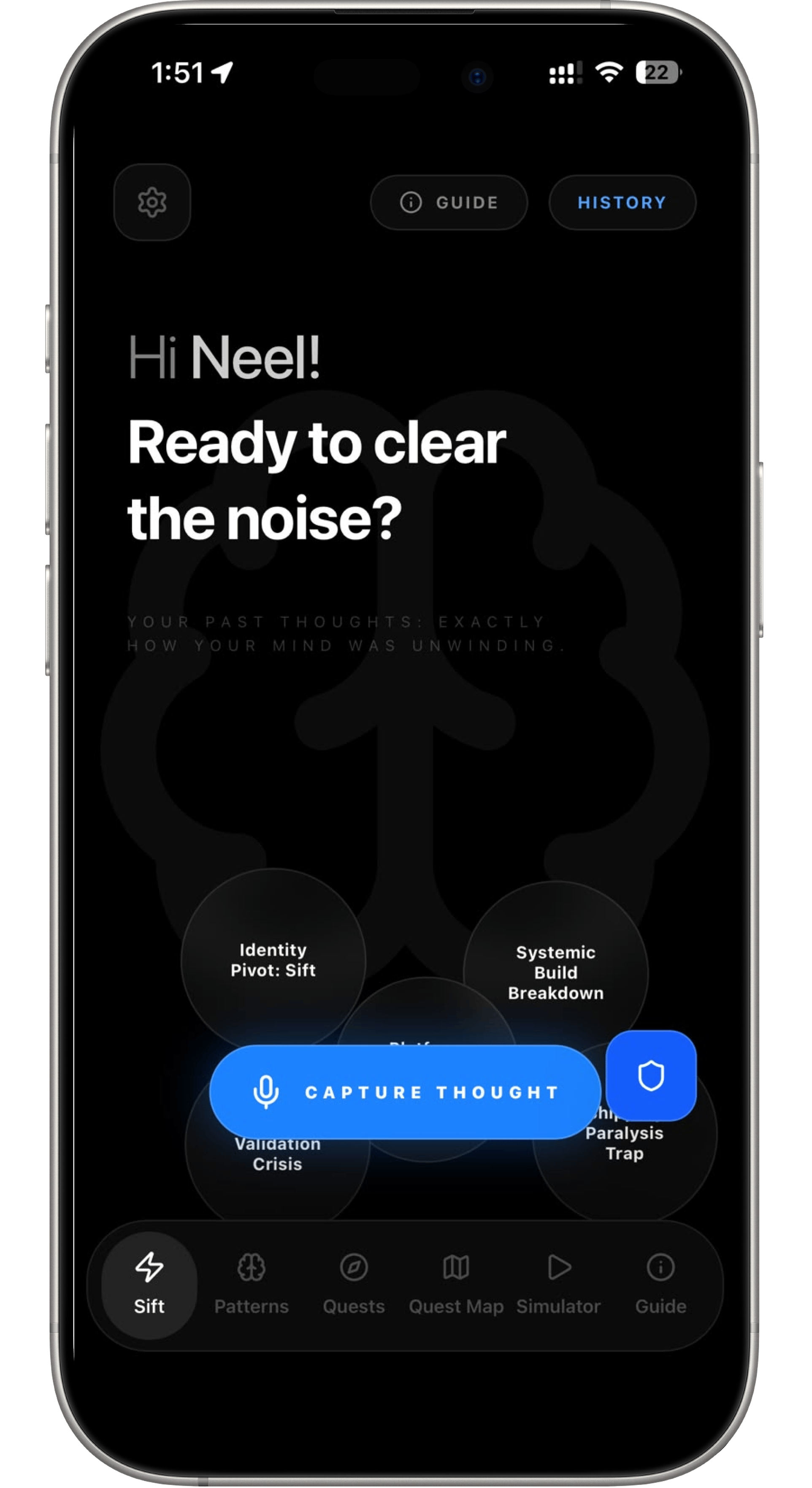
What if you could talk through the noise?
I built SIFT to turn a tangled thought into something actionable. A voice-first AI product around overthinking, task friction, and finding the next step.
Independent software experiment · launched June 2026
Early use and feedback exposed a tension: in an already overloaded moment, opening a phone, explaining the problem, and reading an answer could become more work.
What if the phone itself was part of the friction?
NUDGEQ / CHANGING THE MEDIUM
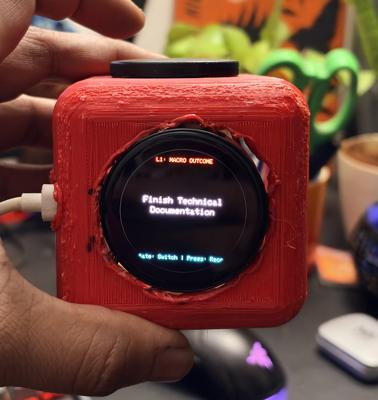
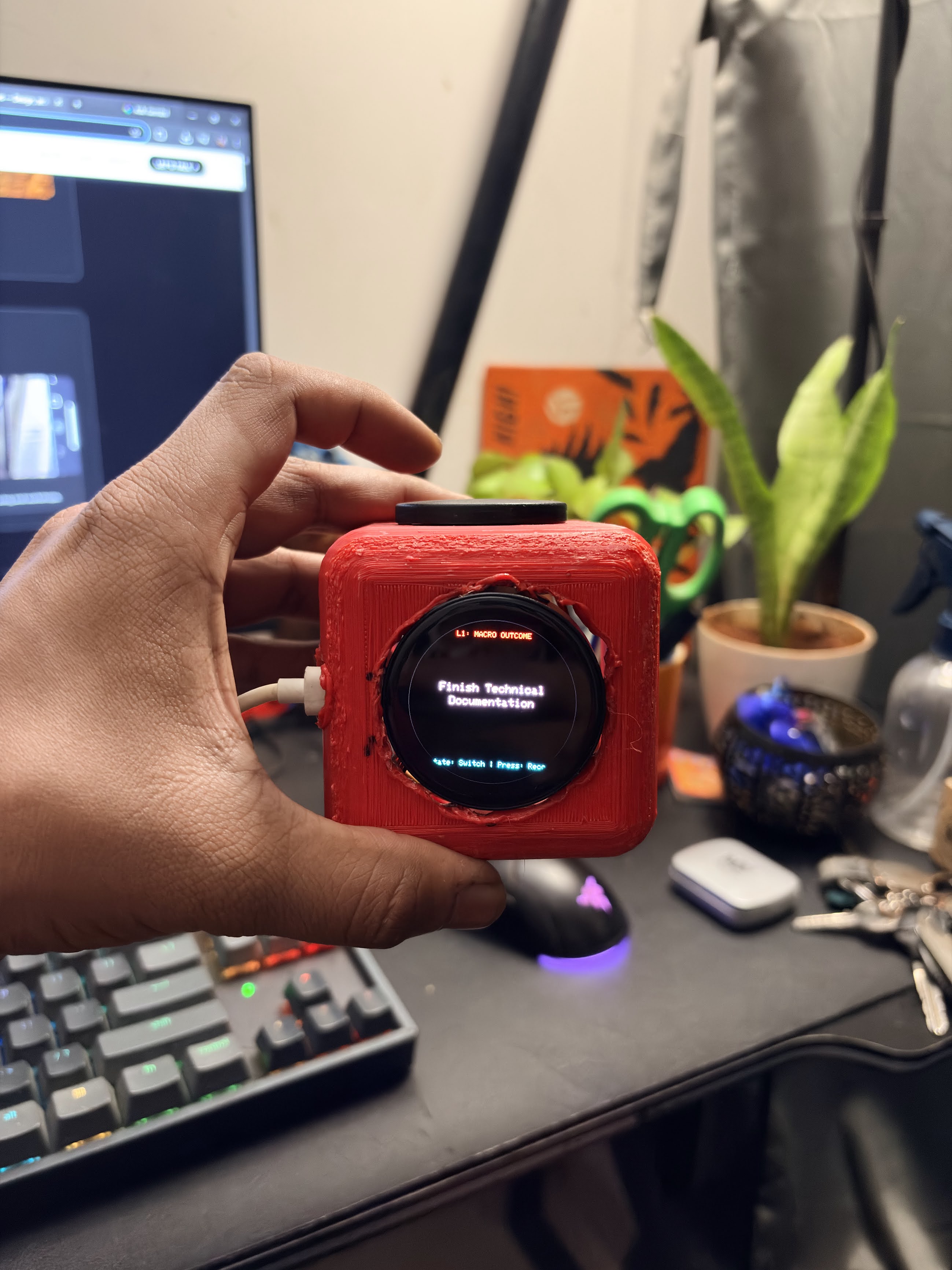
So I started building something you can hold.
A physical desk cube. A circular display. A rotary input. An experiment in making the next action small enough to begin.
Speak. Turn. Choose. Move.
Working hardware exploration, not a claim of proven behavioural efficacy. The object here is an interactive preview.
Less information. More interaction.STILL MAKING. STILL TESTING.
05 / A THREAD I NOTICED LOOKING BACK
This didn't start with NudgeQ.
My M.Des thesis at IIT Hyderabad explored tangible and embodied interaction: using a smartphone's sensors and physical movement to control an Unreal Engine experience.
Different project. Same recurring curiosity about what happens when the body becomes part of the interface.
THE BODY IS AN INPUT.MOVE YOUR POINTER TO EXPLORE THE FRAME
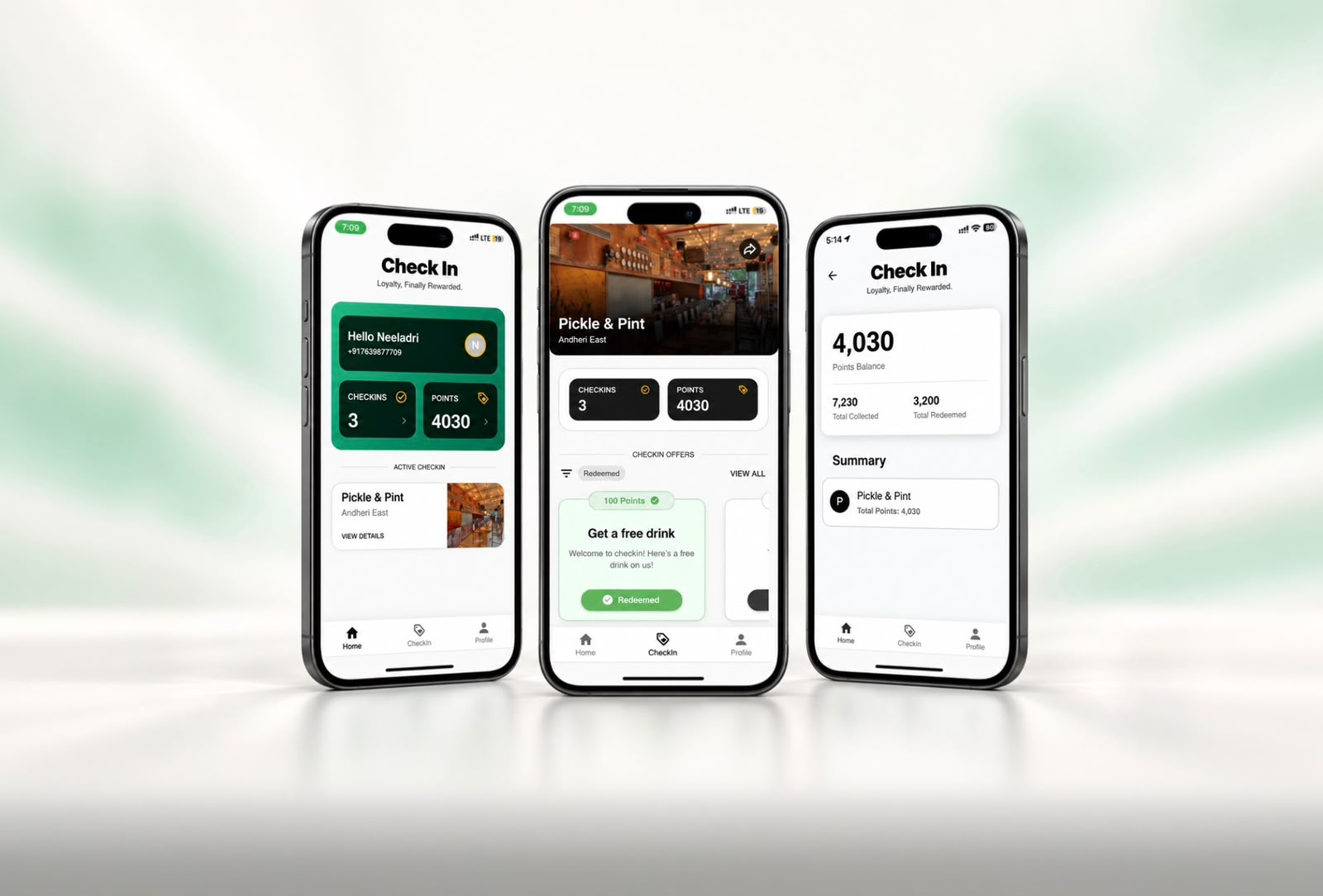
A QR-based loyalty MVP led to merchant conversations—and a sharper question about merchant-controlled memberships, initially explored with salons. Building the product was only part of finding the right problem.
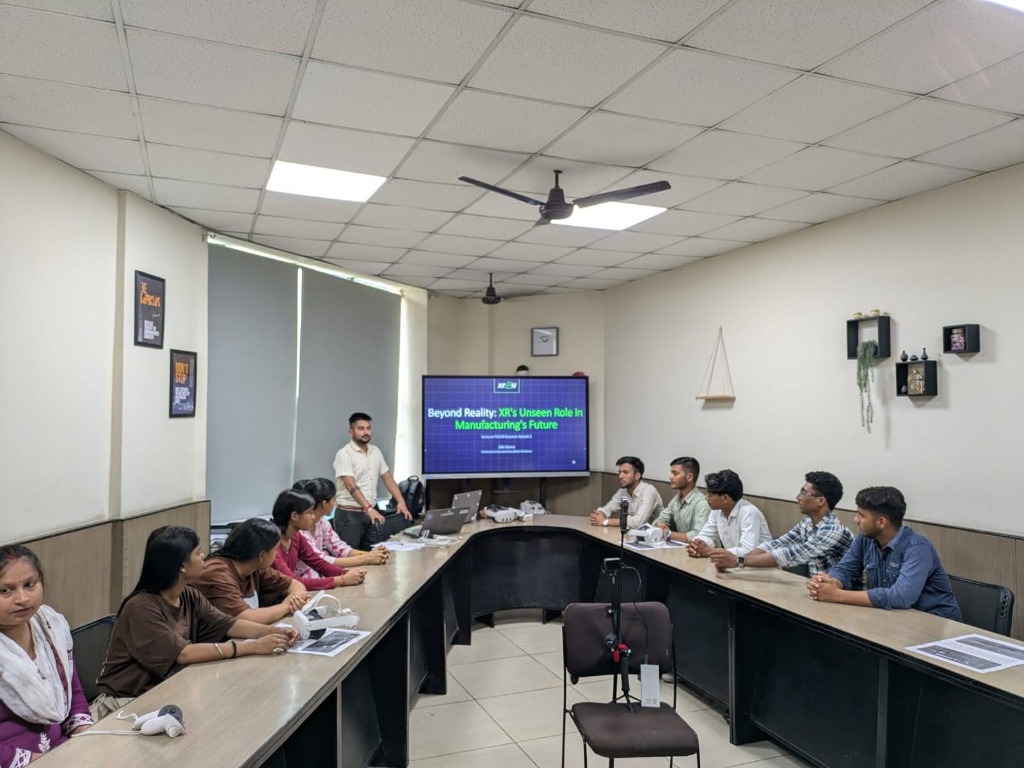
XR4U brought spatial technology into an education and workshop context. Another way to explore how people encounter unfamiliar tools, learn by doing, and find possibilities of their own.
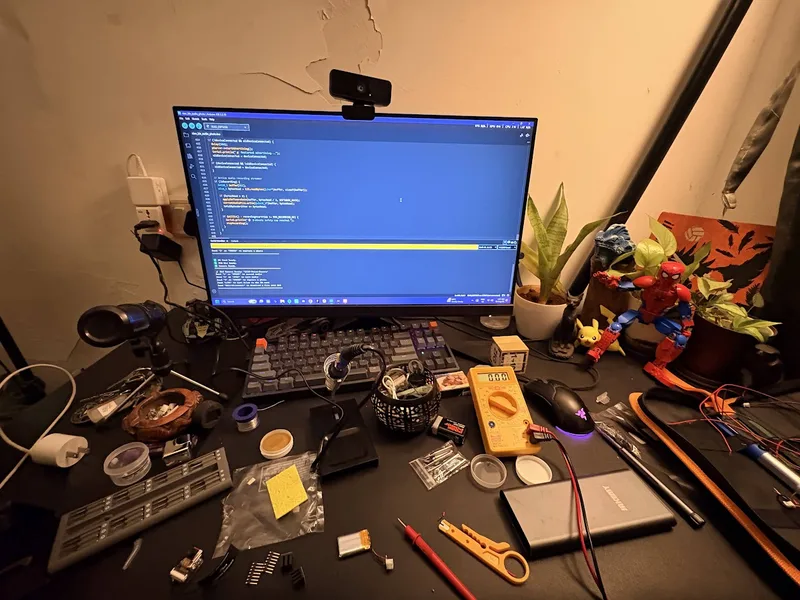
Today, I'm a Product Manager and Interaction Designer at Reliance Jio. Outside work, I keep exploring the space between software, physical objects, and human behaviour.
I want to keep making things that understand the person on the other side.